
Stainless Steel Handrail Pipes For Glass Railings
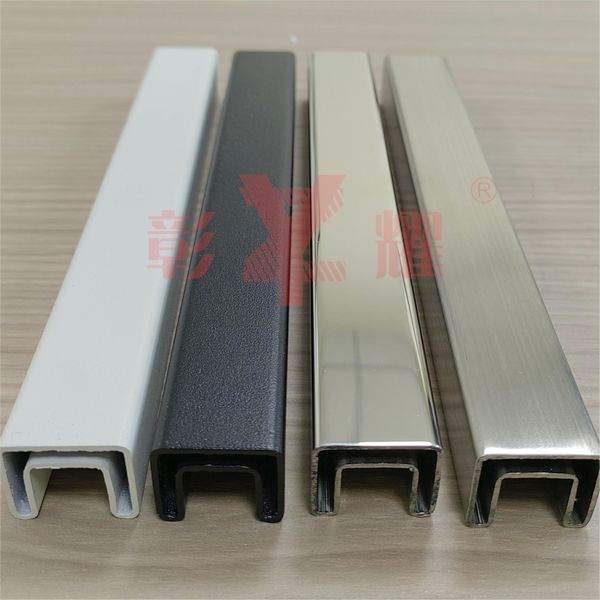
Let’s Talk About Stainless Steel Handrail Pipes for Glass Railings
Hey there! So, you’re looking into glass railings with stainless steel handrail pipes? Great choice. Honestly, it’s one of those combinations that just works – modern, clean, and surprisingly practical. I’ve seen them popping up everywhere lately: in fancy condos, outdoor decks, office lobbies, even around residential pools. And for good reason.
Why stainless steel? Why not wood or aluminum?
First off, wood looks warm, sure, but pair it with glass and you’ve got a maintenance nightmare waiting to happen. Wood rots, warps, needs constant sealing, and honestly, it doesn’t give you that sleek, uninterrupted look. Aluminum? Lighter, yes, but it can dent easily and doesn’t have the same heft or premium feel. Stainless steel – especially the 304 or 316 grades – is in a league of its own.
Think about it: stainless steel is tough. It doesn’t rust (well, “stain-less” means it resists rust, but more on that later), it handles weather like a champ, and it has this solid, weighty feel that screams quality. When you grab a stainless steel handrail, it feels secure. You’re not worried it’ll wobble or snap. And with glass panels, that security matters – because glass is beautiful but also fragile. You want a frame that’s going to hold everything together safely.
The look factor – oh yes, the look
Okay, let’s be honest – most people choose glass railings because they look amazing. They don’t block the view. They make a space feel open, airy, and expensive. But bare glass edges? Not so great. That’s where the stainless steel handrail comes in. It runs along the top, giving you a smooth, continuous line to hold onto. And it contrasts beautifully with the transparency of glass – the metal adds structure without overwhelming the view.
You can get the handrail pipe in different finishes: brushed (my personal favorite – hides fingerprints well), mirror-polished (super shiny, very bling), or even matte. The brushed finish is what you see in most modern homes – it’s soft, elegant, and doesn’t show every little smudge. The pipe itself is usually round, about 50mm (2 inches) in diameter, which feels just right in your hand. Some designs use a square tube, but round is more classic and comfortable to grip.
Two main grades: 304 vs. 316 – don’t ignore this
Here’s where people mess up. They see “stainless steel” and think all are the same. Nope. Grade 304 is the standard – great for indoor use or covered outdoor areas. But if your glass railing is going outside, fully exposed to rain, coastal salt air, or pool chemicals? You need grade 316. That’s the “marine grade.” It has molybdenum added, which fights off corrosion from chlorides (salt and chlorine).
Imagine putting 304 near an oceanfront deck. Within a year or two, you might see little rust spots – pitting. Not a good look. Pay a bit more for 316, and you’re set for decades. For a pool area? Definitely 316 – pool chemicals evaporate and settle on surfaces, and they’re brutal on regular steel.
Installation – easier than you think, but get a pro
Now, I could tell you that you can DIY this. And sure, if you’re handy, you might. But drilling into glass? Mounting the posts just right so the handrail sits level? That takes precision. The typical setup uses stainless steel posts (either surface-mounted or core-drilled into concrete) with glass clamps that hold the glass panels. The handrail pipe connects to the top of the posts, and sometimes the glass is clamped at the top too – or the handrail has a slot that the glass slides into. There are a few systems.
One popular method: the glass panels are held by base shoes (U-channels) at the floor, and the top has a stainless steel pipe that’s attached to the glass using standoffs or special clamps. The pipe doesn’t actually touch the glass – there are rubber gaskets or plastic inserts to prevent metal-to-glass contact. That’s important because glass and metal don’t like rubbing against each other long-term.
Another system: the handrail pipe has a groove along the bottom, and the glass sits into that groove with a silicone or rubber liner. That gives a super clean look – no visible clamps from the side. But it’s harder to install because you have to slide the glass into the pipe.
Either way, I’d recommend hiring a railing contractor who’s done glass before. It’s not like wood deck railings. Glass is unforgiving – one wrong hole, and a whole panel cracks. Plus, the handrail needs to be perfectly aligned. You don’t want a wavy handrail.
Safety and building codes – boring but crucial
Let’s talk rules for a second. Most building codes say any railing above 30 inches (about 76 cm) from the ground needs a handrail that you can grip. And the handrail has to withstand a certain amount of force – like 200 pounds of pressure in any direction. A thick stainless steel pipe, properly mounted, passes that test easily. But the glass itself also has to be tempered or laminated (safety glass), so if it breaks, it shatters into tiny dull pieces instead of big sharp shards.
Also, codes often require a continuous gripping surface. That means the handrail pipe needs to be smooth and uninterrupted all along the stairs or deck. So those decorative post caps that stick up? Not allowed on a handrail portion.
Maintenance – almost nothing, but a few tips
One of the best things about stainless steel handrail pipes? They’re lazy-person friendly. Seriously. A little soapy water and a soft cloth every few weeks is all they need. If you live near the ocean or have a pool, rinse them with fresh water occasionally to remove salt or chlorine residue. That’s it.
For fingerprints and smudges (especially on mirror finish), use a microfiber towel and a bit of glass cleaner or stainless steel polish. But don’t use steel wool or abrasive pads – they’ll scratch the surface and ruin that beautiful finish. And never use cleaners with hydrochloric acid or bleach – bad news for stainless.
If you do see tiny rust spots (usually from contamination during fabrication, not the steel itself), you can remove them with a stainless steel cleaner or a little baking soda paste. Rub in the direction of the grain (if it’s brushed). Easy peasy.
Costs – yes, it’s more expensive, but worth it?
Let’s be real: a glass railing system with stainless steel handrail pipe isn’t cheap. You’re looking at anywhere from $150 to $400 per linear foot installed, depending on glass thickness, grade of steel, and complexity. That’s way more than wood or cable railings. But here’s why people pay it: longevity. A good stainless-and-glass railing can last 10, 20, even 30 years with minimal upkeep. Wood needs replacing every 8-10 years. Aluminum can fade and corrode. So over time, stainless steel actually saves you money – and it looks better the whole time.
Plus, if you ever sell your home, that railing is a major selling point. It screams “high quality.” I’ve seen real estate agents specifically mention it in listings.
A few real-life examples
My buddy just put these on his beach house deck. He used 316 grade with 1/2-inch thick tempered glass and a 2-inch brushed stainless handrail pipe. No cable, no wood – just glass and steel. The view of the ocean is completely unobstructed. You stand there and feel like you’re floating. And the handrail is so smooth, cool to the touch on a hot day – really satisfying to lean on.
Another friend did it for a staircase inside his modern loft. He used a single continuous stainless pipe that follows the stairs, with glass panels mounted between the pipe and the treads. It looks like something out of a design magazine. The pipe is mirror finish – almost like chrome – and it reflects light beautifully.
One downside – worth mentioning
Okay, nothing’s perfect. The downside? Stainless steel handrail pipes can get hot in direct summer sunlight. If it’s 95°F outside and that pipe has been baking for hours, you might not want to grab it with bare hands. Same goes for freezing cold – metal conducts temperature. For outdoor full-sun applications, some people choose a brushed finish (reflects a bit more heat) or even add a wooden or vinyl grip sleeve on top. But honestly, how often are you gripping the outdoor railing in July? Most of the time you just lean on it. Not a dealbreaker for most.
So, if you’re on the fence: stainless steel handrail pipes for glass railings are a fantastic choice if you value durability, style, and low maintenance. They’re not cheap, but they’re the kind of thing you install once and forget about – in a good way. Just remember: go with 316 grade for outdoor or pool areas, choose a finish that fits your style (brushed for easy care, mirror for wow factor), and hire someone who knows how to handle glass without cracking it.
And when it’s all up and you’re standing there, looking through that crystal-clear glass with the sleek steel pipe under your hand? You’ll smile. Trust me.